
01
Climate-driven food crisis
Converts entire immature plants into complete bio-food.
01 / SOCIAL PROBLEMS
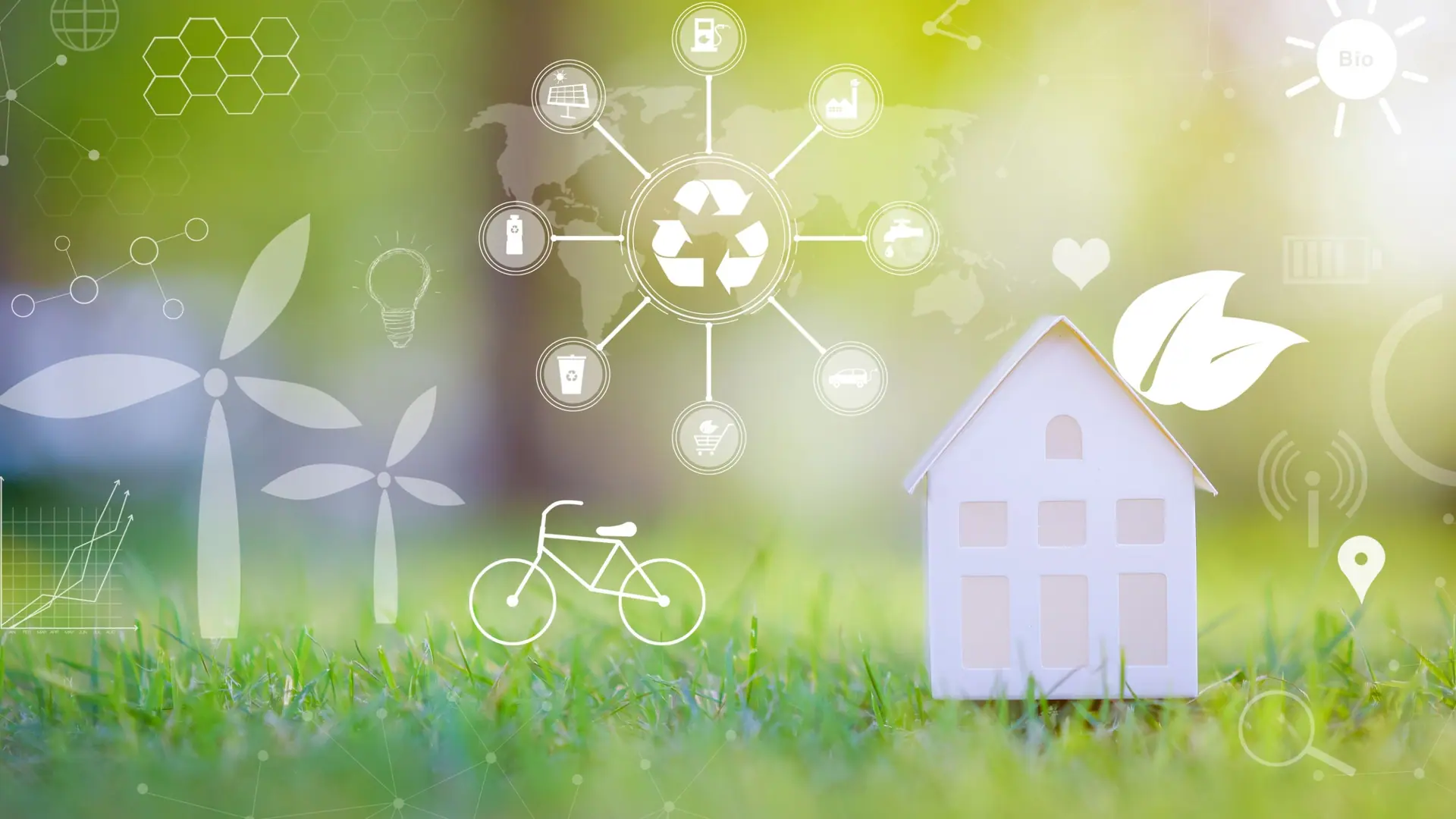
Climate crisis, soil pollution, biodiversity collapse, new pathogens and dependence on animal protein. GRBM answers by turning the whole plant into a bio-resource.
In plain words
As floods, droughts and typhoons become more frequent, crops are thrown away before their fruit fully ripens. Conventional agriculture is designed to treat only ripe crops as food.
VPMI turns young fruit, leaves, stems, local weeds and native plants into highly nutritious bio-food. In fact, the youngest and freshest plants have the highest vitality and make the best raw material.
An era in which we can turn most plants into bio-food, instead of eating only a few species — that would be the moment humanity's food problem is finally solved.
Converts entire immature plants into complete bio-food.
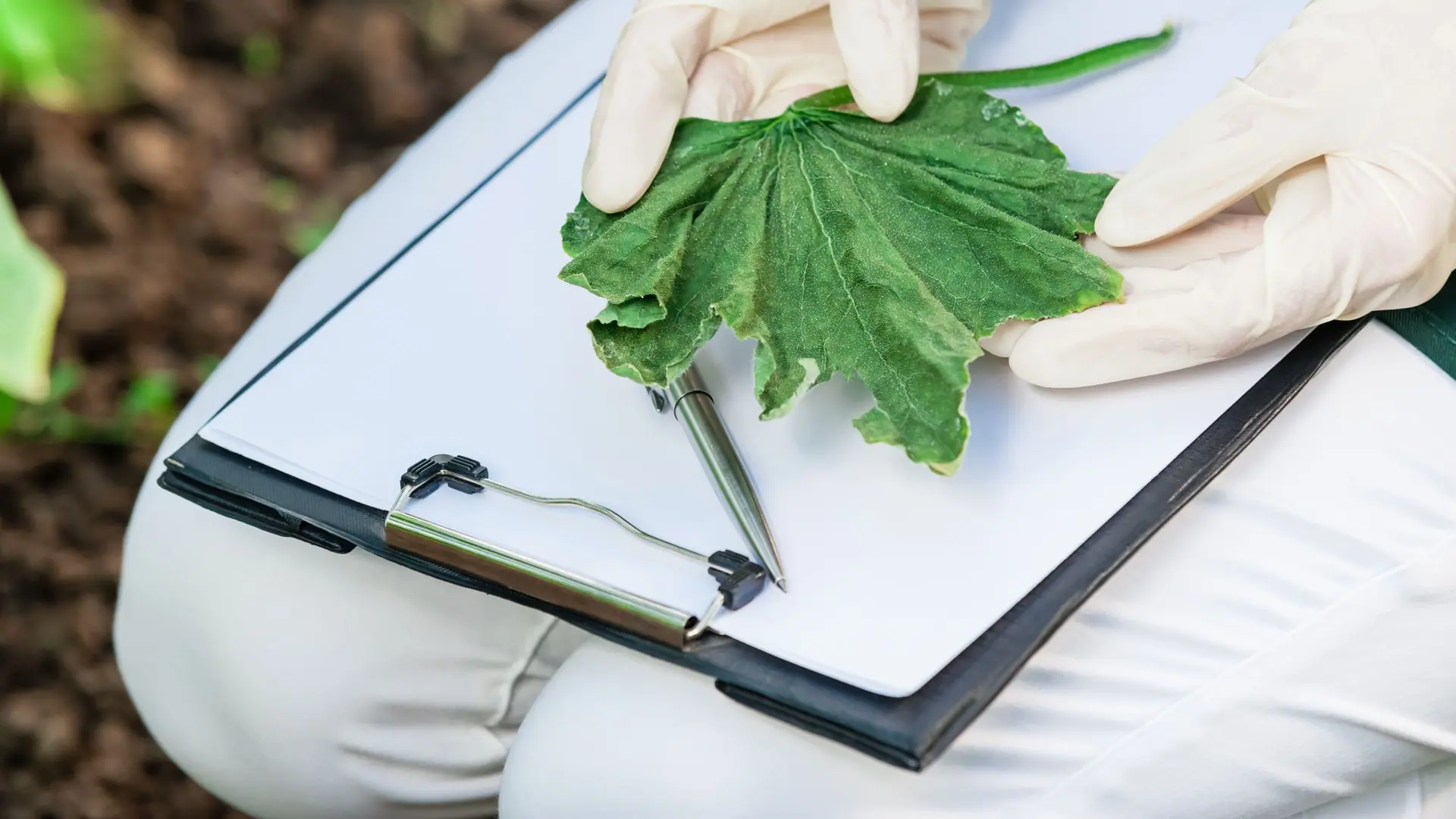
Breaks the chain of pollution with a chemical-free, heat-free, gene-editing-free process.

Raises the value of plant resources to expand cultivation and biodiversity.
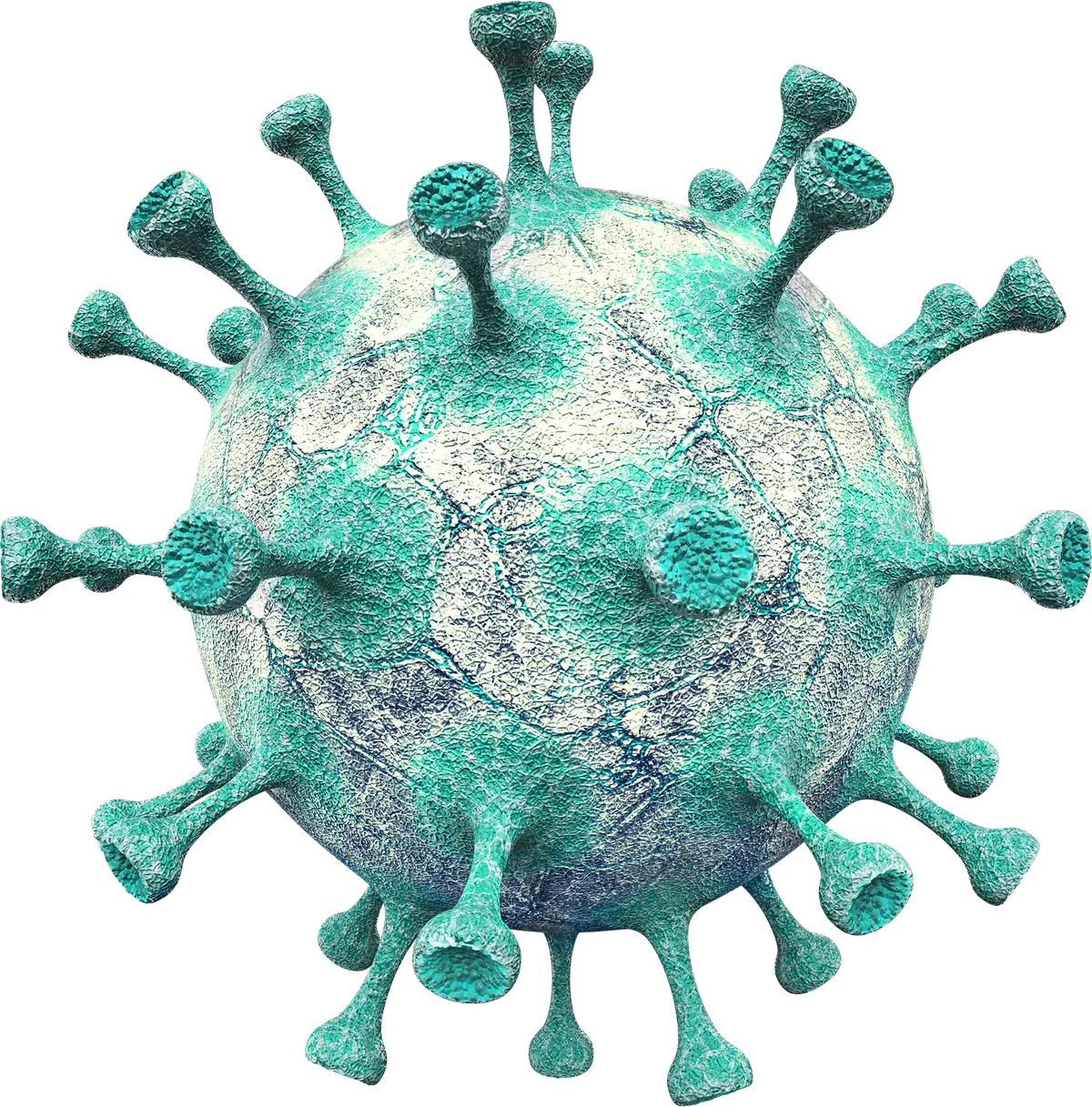
Focuses on two defense mechanisms: External miRNA and Bacteriocin.
Achieves structural carbon reduction through a plant-based industrial structure.
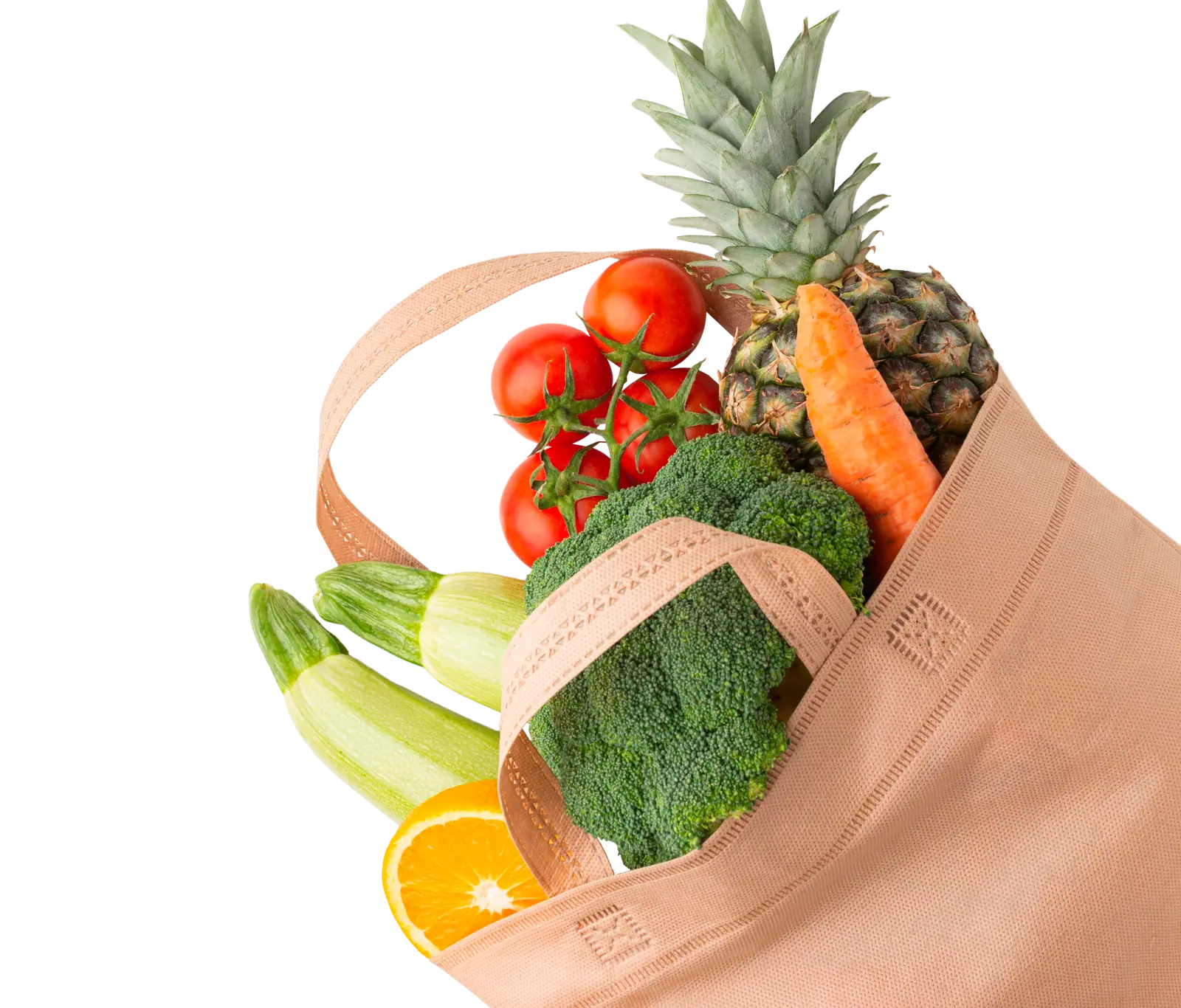
Shifts food culture with "metabolized protein" combined with plant metabolites.
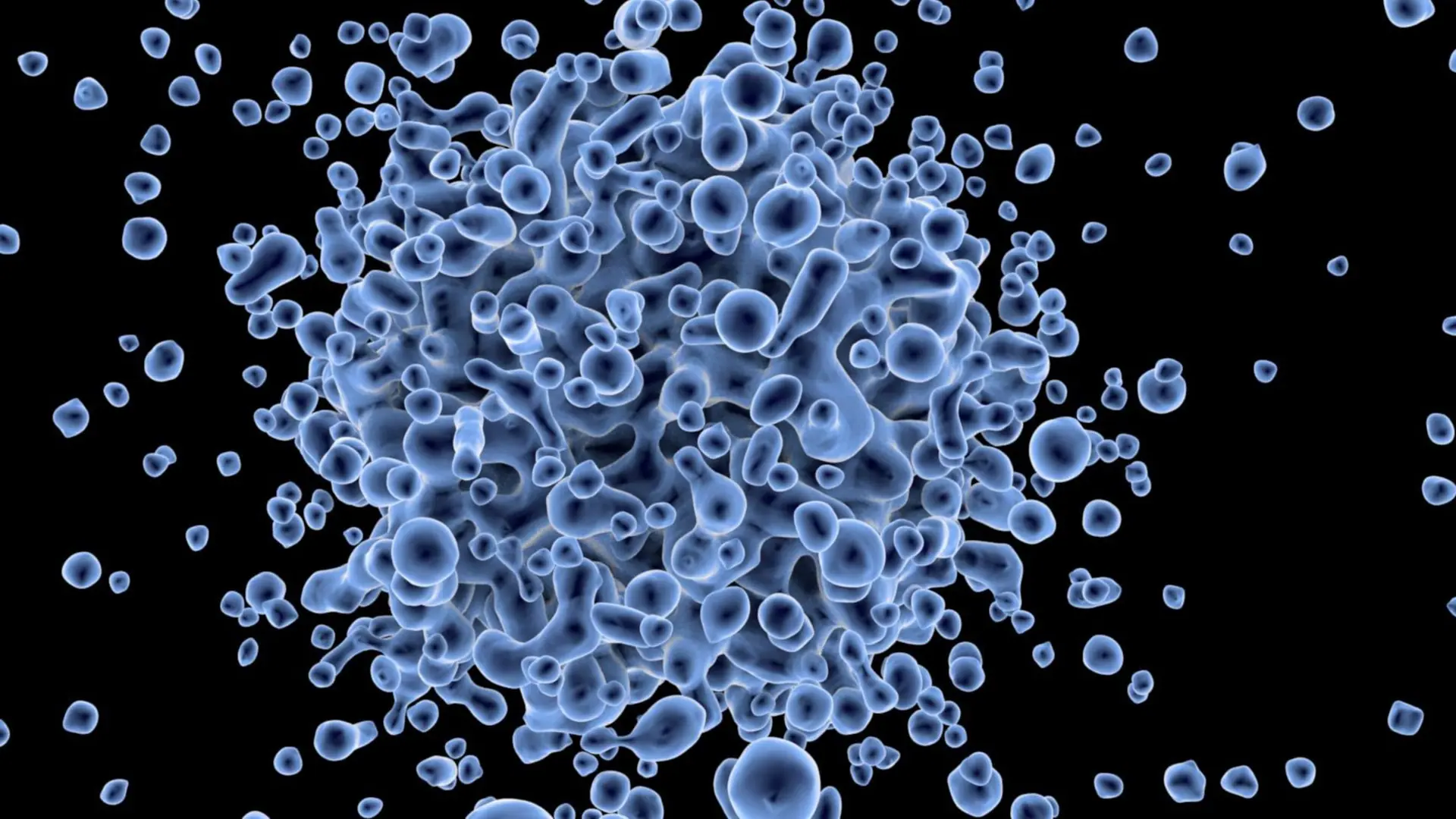
Vital Probiotics differ from existing lactic acid bacteria products in how they work.
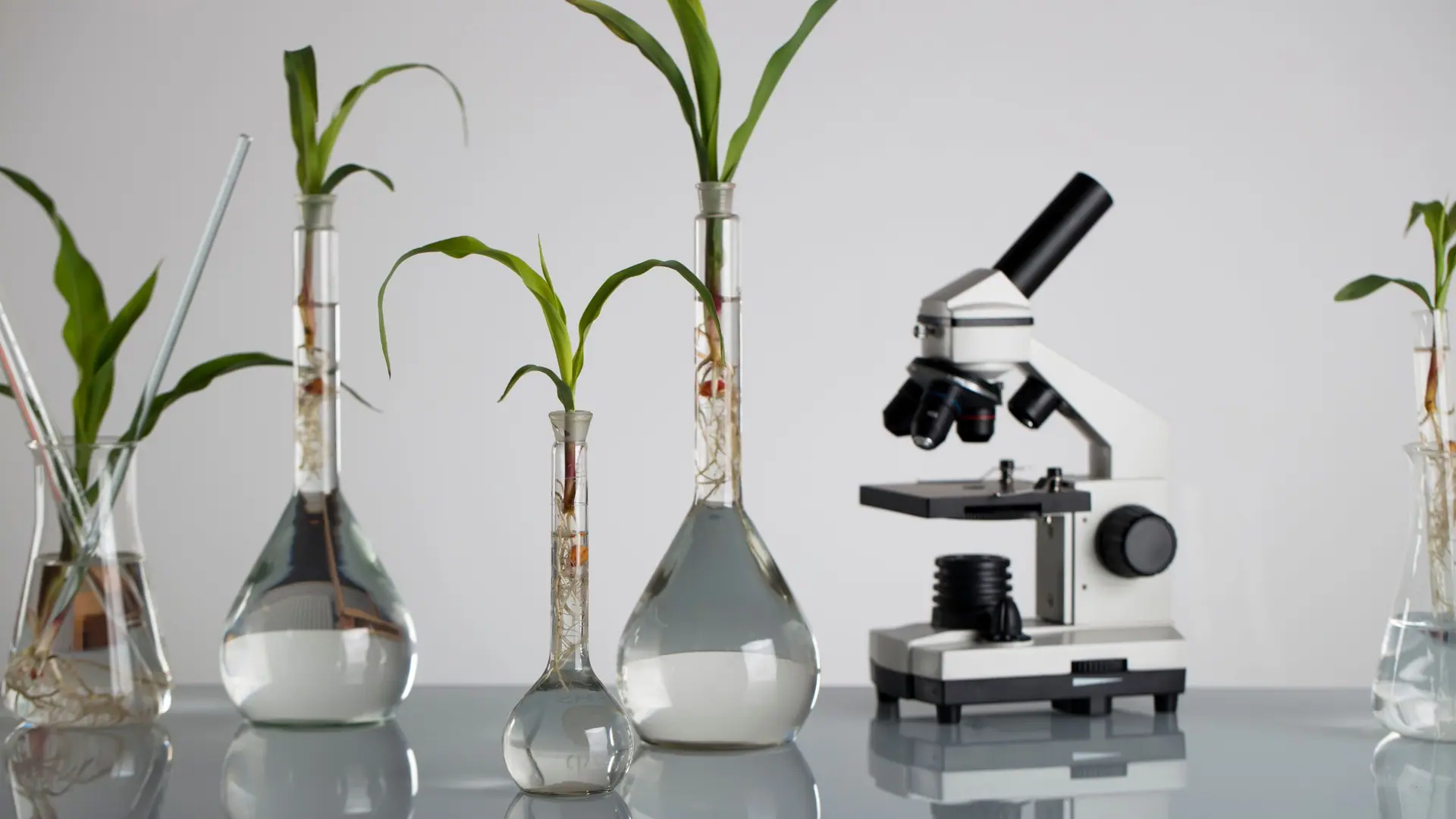
Raw-material plants managed by smart farms and AI become hubs for bio-materials.
Carbon neutrality is not achieved by calculating and offsetting emissions alone, because energy, manufacturing, food and pharmaceutical industries are deeply tied to emissions themselves. A GRBM-based eco-bio industry structurally reduces methane and CO₂ by expanding plant cultivation, replacing chemical manufacturing and shifting animal-based consumption to plants.
In a future where GRBM has spread, plants are not just farm produce. They become food, beverages, protein, cosmetics and bio-materials. More plants mean more carbon sinks, revived biodiversity and an industrial alternative to chemical manufacturing. This is not a line for an ESG report; it is changing the materials of industry.
Climate change is altering the quality of fruits, vegetables and crops, their phytochemical composition, and the structure of the microbes that interact with them. Changes in a plant's internal microbes strongly affect its functionality and safety. Because normal GRBM metabolism does not occur in plants carrying harmful mutations or emerging microbes, VPMI-CM can also serve as a Biological Compatibility Filter for plant safety.
| Item | Conventional structure | GRBM structure |
|---|---|---|
| Raw material | Part of ripe crops | The whole plant — young fruit, leaves, stems, native plants |
| Process | Chemical pesticides and fertilizers, heat and chemical processing | Non-chemical, non-heat ecological process |
| Protein | Centered on animal protein | Metabolized protein bound to plant metabolites |
| Resources | Concentrated on a few varieties | Tens of thousands of plant species as potential pipelines |
| Climate response | Reacting after damage | Climate-adaptive raw materials and local circulation |
Source: the developer's (Wooyoung Nam's) research and the Complete Edition proposal, "GRBM as a Social Solution."
PARTNERSHIP · INVESTMENT
After signing an NDA you can review the materials, then verify the original records and the process in person during on-site due diligence in Uljin, Gyeongsangbuk-do, Korea.