01
Core Market Expansion
Foods, drinks, medi-foods, metabolic protein, bio-cosmetics and bio-healthcare services — the layer that creates revenue now.
05 / K-ECO BIO 10 · PIPELINE
Next-generation probiotics, companion-animal and livestock health, plant health, advanced phytochemicals, mass consumer goods and dignified end-of-life care. One platform widens into many eco-bio industries.
In plain words
GRBM's industrial potential does not stop at foods, drinks, cosmetics and healthcare services. GRBM is an Eco-Bio Industrial Operating System that ties together biodiversity, plant–microbe interaction, horizontal gene transfer, metabolome manufacturing, AI-based functional analysis, personalized services and circular bio-resource use.
Its greatest distinction is that completely new eco-bio assets can derive even from a single source plant. As plants and Vital Probiotics interact, horizontal gene transfer and advanced bioconversion occur, which can create metabolomes, microbial profiles, strain characteristics and functional molecules on an entirely different level from the raw plant. In garlic, the number of lactobacilli strains and their genetic diversity differ greatly between the raw and metabolized states — a good example that GRBM is not a simple processing technology but one that creates new eco-bio information.
So GRBM's value is not "one hit product" but a platform compounding model that keeps widening from raw materials → process → data → products → services → IP → new industries.
THREE LAYERS OF EXPANSION
Foods, drinks, medi-foods, metabolic protein, bio-cosmetics and bio-healthcare services — the layer that creates revenue now.
New probiotic strains, AI-based interpretation of strain function, phytochemical libraries and drug-candidate substances — the layer where technology assets accumulate.

Pet care, animal health, plant health, agricultural bio, circular use of by-products and well-dying and senior-care support models — the layer where ecosystem industries open.
EIGHT EXPANSION AREAS
Each plant species can yield a pool of hundreds of new functional strains — a next-generation ecological strain discovery engine.
Mammals with different metabolism, such as dogs and cats, can respond quickly and sensitively to small amounts of functional metabolomes.
A circular model that turns plant by-products left after the GRBM process into livestock-health resources.
An upstream agricultural bio-platform that grows plants themselves healthier and more functional.

A deep-tech option that reproduces, amplifies and produces the defensive substances plants make against RNA viruses.
Low-molecular, advanced phytochemicals separated and purified into a standardized bioactive library.
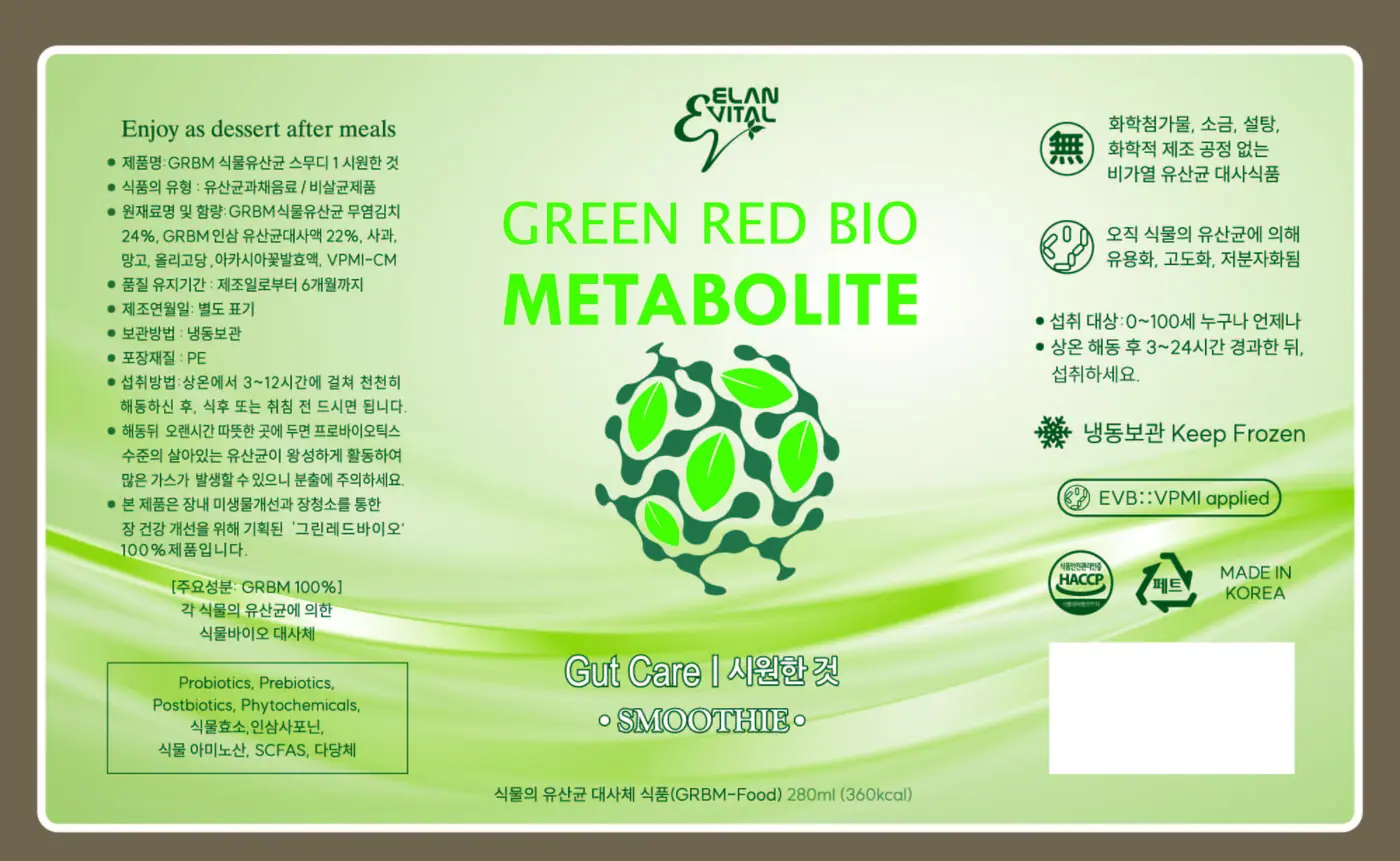
GRBM ice cream, metabolized coffee and GRBM tea widen touchpoints with everyday consumer markets.

Supportive care that aims at metabolic comfort, nutrition and dignity even in life's final stage.
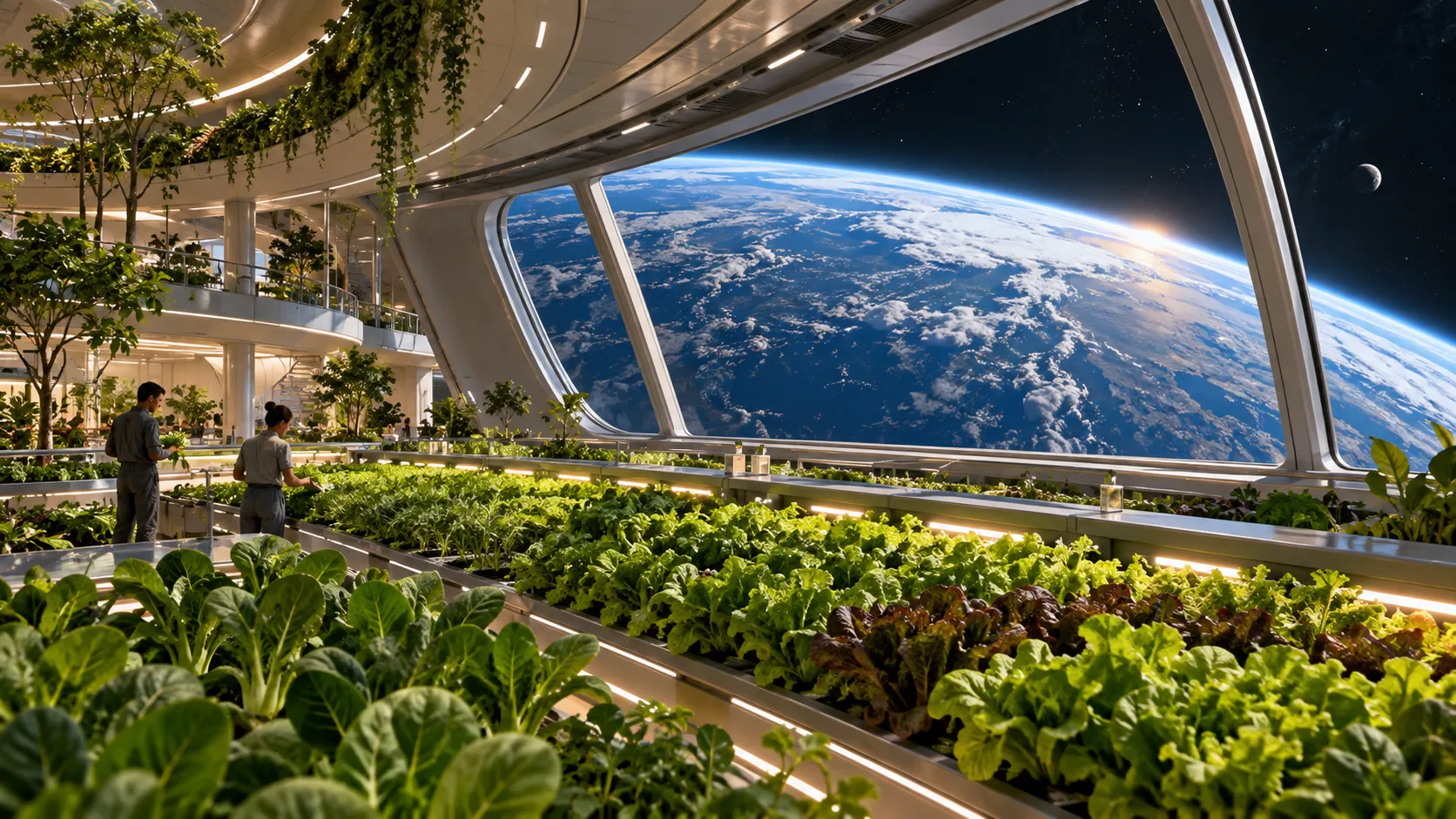
Starting from a human metabolome platform and reaching companion animals, livestock, plants, phytochemicals and dignified life-cycle care — a multi-layered eco-bio industrial system.
Even when a single plant is put through the VPMI-GRBM process, Vital Probiotics can be reconstituted, through interaction with the plant and horizontal gene transfer, into strain groups that have acquired new functional genetic information. These strains may have ecological functions different from existing commercial probiotics, and AI analysis creates new value. GRBM can become the source platform of an entirely new ecological functional probiotics industry.
GRBM can be applied not only to people but to most mammals. The global pet-care market is premiumizing fast, moving from basic feed to functional nutrition, gut health, healthy ageing and pet microbiome care.
The residual plant bioactive mass left after the GRBM process is not waste but a secondary bio-resource for livestock health. It has two strengths: a circular bio-economy and sustainable livestock farming (ESG).
Climate change is altering the quality, phytochemical profiles and microbial interactions of fruits, vegetables and crops. Changes in the microbes that interact with plants strongly affect plants' functionality, safety and benefit. GRBM can go beyond a technology that consumes plants to an upstream agricultural bio-platform that produces healthier plants themselves.
The concept is to observe the defensive bio-substances plants produce under a specific RNA-virus challenge, and to reproduce, amplify and produce that counter-mechanism on a GRBM/VPMI basis, developing ecological and safe plant-derived antiviral defence resources. The deep-tech option value here is greater than immediate commercialization.
Making GRBM from deeply coloured or specific functional plants and then separating, purifying and extracting it leads to a platform for producing low-molecular, advanced phytochemicals. GRBM already holds a staged industrial path: "selling base liquids → productization → refined materials → high-purity candidate substances".
GRBM extends not only to high-function, high-value products but also to mass-distribution foods. This area builds a brand ladder that links premium medical and service platforms with everyday consumer markets.
Existing senior industries and medical services sometimes focus on drug-, ventilator- and life-prolonging-centred care. By giving human cells and tissues a more comfortable metabolic environment, GRBM can extend into a new supportive-care framework that pursues metabolic comfort, nutritional support and dignity-oriented care even in life's final stage. It also connects with the High Level Service.
Because this area carries major ethical and legal issues, it is approached strictly as "supportive care", not "treatment", and as "dignity-oriented end-of-life support", not "assisted death".
| Area | Content | Stage |
|---|---|---|
| Bio-food | Launched as an eco-bio food that does not claim to treat disease | Starting point |
| Lead pipeline | PANAX GRBM (ginseng) — rare ginsenosides through a 12-week process | Lead |
| Bio-cosmetics and health functional foods | Bio-food for skin cells and the cells of each tissue | Expansion |
| HEALTHCARE 4.0 services | A 12-week metabolic realignment program with GRBM as the core material | Expansion |
| New ecological industries | Strains, pet care, livestock, plant health, phytochemicals | Expansion |
| Precision medicine | Separating, purifying and analysing the metabolome to advance it into future medicine | Advancement |
According to company records from the first-generation technology (lactobacilli low-salt kimchi), the company took part in developing a core ingredient for CHANEL's camellia cosmetics, collaborated with GC Green Cross on lactobacilli-based health functional foods, and Nestlé has shown interest in low-salt-kimchi-based baby food and liquid diets. Industrialization technology has been completed, and full-scale investment is under way. Detailed records are at www.gimchi.biz.
The company plans about 50 business pipelines across foods, drinks, protein, kimchi, smoothies, cosmetics, ingredients, services, data and drug candidates. Each pipeline is designed so that rights can be divided by region and use for partnership; details are provided after an NDA.
Collaboration history is a record of cooperation and interest according to company records and does not imply endorsement by, or a current contract with, any of these companies. Expansion areas are business plans presented by the company; the effects in each area will go through separate research and validation.
PARTNERSHIP · INVESTMENT
After signing an NDA you can review the materials, then verify the original records and the process in person during on-site due diligence in Uljin, Gyeongsangbuk-do, Korea.