01
Green — plants and plant LAB
Plants that hold life's basic energy, joined with the plant lactic acid bacteria that share genetic information with them in mutualism.
04 / GREEN RED BIO METABOLOME
GRBM is the total of metabolites, including those bound with genetic material, that a plant and its own lactic acid bacteria have metabolized in advance through the VPMI process.
In plain words
Green Red BIO Metabolome — GRBM for short — is an "eco-bio material" made when plant lactic acid bacteria with enhanced vitality metabolize young, fresh plants so that human cells can use them well.
In one sentence, GRBM is "the total of metabolites, including genetic-material binding." It is neither a simple plant extract nor a simple bacterial culture. It is a converged bio-source in which plant resources, plant LAB, metabolites, miRNA, Plantaricin and bioactive substances are created together within one network of living connection.
From the start I designed GRBM as an eco-bio food that "anyone" can eat and drink. It began with people — babies, pregnant women, cancer patients and the elderly, people with anorexia — who said there was no food they could trust. The medical changes were discovered afterwards.
Plants that hold life's basic energy, joined with the plant lactic acid bacteria that share genetic information with them in mutualism.
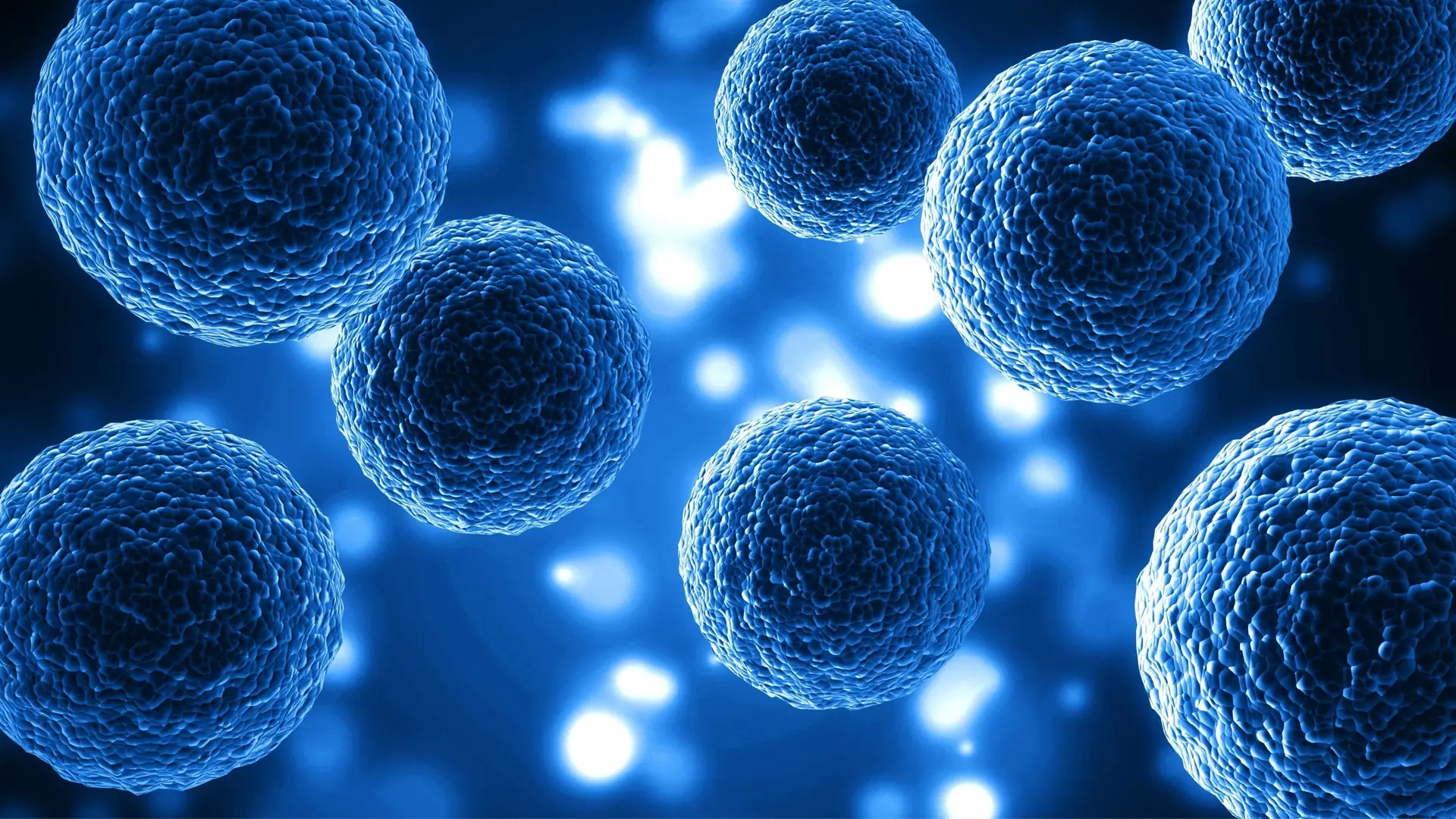
The vitality of human cells equipped with alternative genes (introns) for sustainable health.
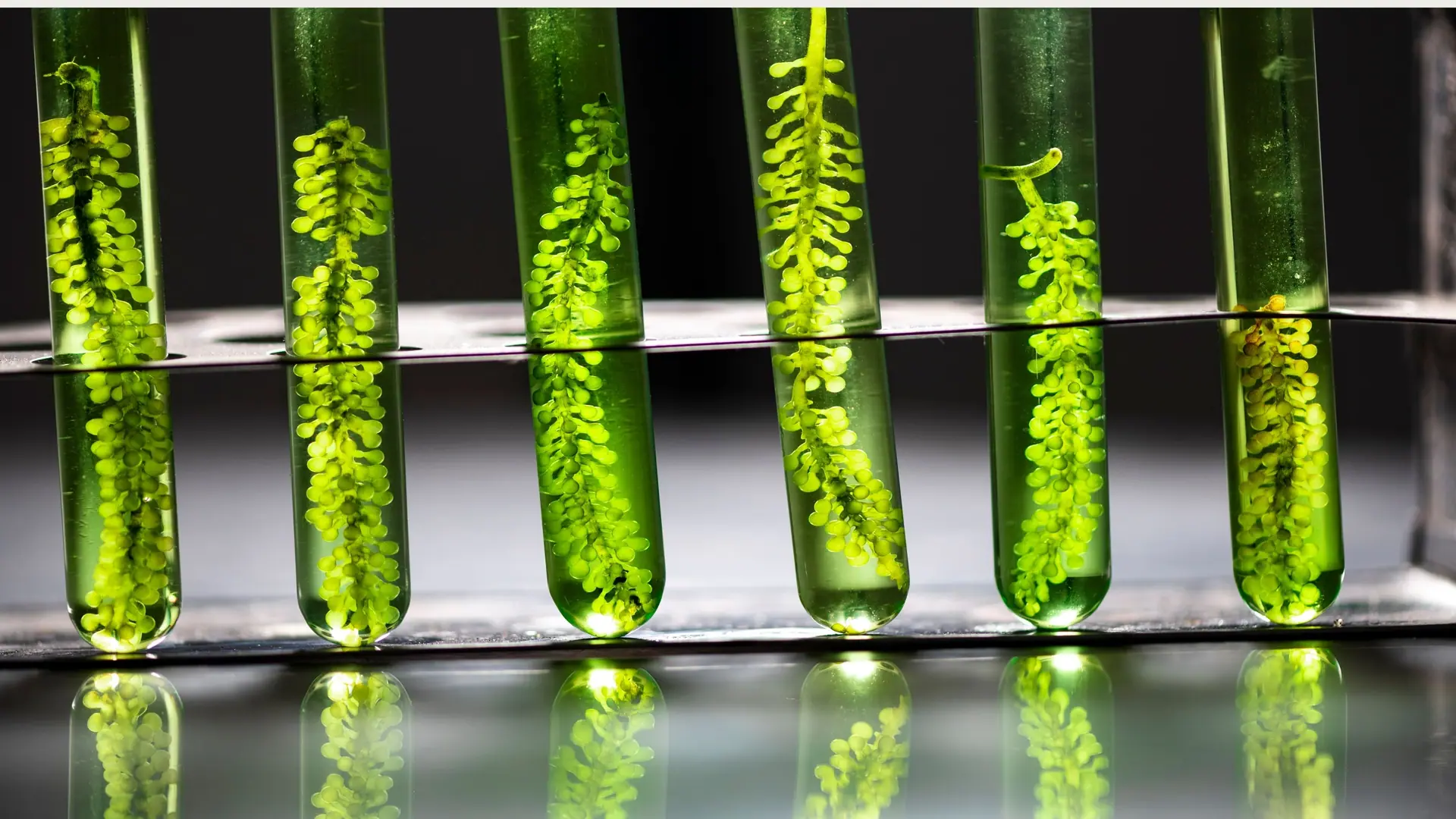
A complete eco-bio technology that raises the sustainability of Red through Green.
A collection of genetically informed metabolites that cells recognize and use without separate digestion or enzymes.
no heat or chemical treatment
no chemical or biological macromolecular toxicity
no GMOs, no gene editing
a process that leaves no pollution
genetic information stays bound
converted into Vital Probiotics, they drive creation
low-molecular plant-cell components are advanced
GRBM was born from the developer's original research on "genetic reciprocity among plant cells, mutualistic microbes and human cells," grounded in the Genome Project and the post-genome era.
Today's health problems are no longer individual problems. They are "problems of life's connectedness," in which plants, microbes, environment, metabolites and immunity collapse together. Health solutions for this era cannot rely on killing pathogens alone; they need technologies that regulate metabolic balance, the gut–immune axis, the diet–microbe axis and the environment–body axis together.
Future bio cannot rely on petrochemical synthetics or single-ingredient extracts alone. The co-evolutionary information of plants that survived climate stress, and of the microbes within them, becomes a new bio-resource.
Microbes from stool or ordinary foods are closer to microbes with limited metabolic activity than to partners in direct physiological interaction with a host. In contrast, microbes passed from mother to baby during birth and breastfeeding, and endophytic microbes inside plants, interact far more closely with their hosts — through a multilayered network of metabolites, extracellular vesicles, peptides, immune signals, gene expression and RNA signals such as miRNA and sRNA.
| Element | Description |
|---|---|
| Plant components upgraded for cells | Plant component → plant LAB metabolism → cell-friendly metabolite → GRBM: plant components become a metabolome friendly to human cells |
| Complex organic acids | The water-based medium becomes a complex organic-acid matrix of plant substrates and Vital Probiotics metabolites — strongly acidic at pH 3, yet designed with physiological buffering that favors mineral availability, calcium–protein metabolism and gut regulation |
| Genetic material | Genetic-information-based bioactive factors such as External miRNA, bacterial sRNA, extracellular-vesicle RNA and Plantaricin — acting not as simple nutrients but as bio-information signals cells recognize |
To hold GRBM is to secure, at once, the source material, source data, source process and source IP of the future bio market.
The Complete Edition proposal
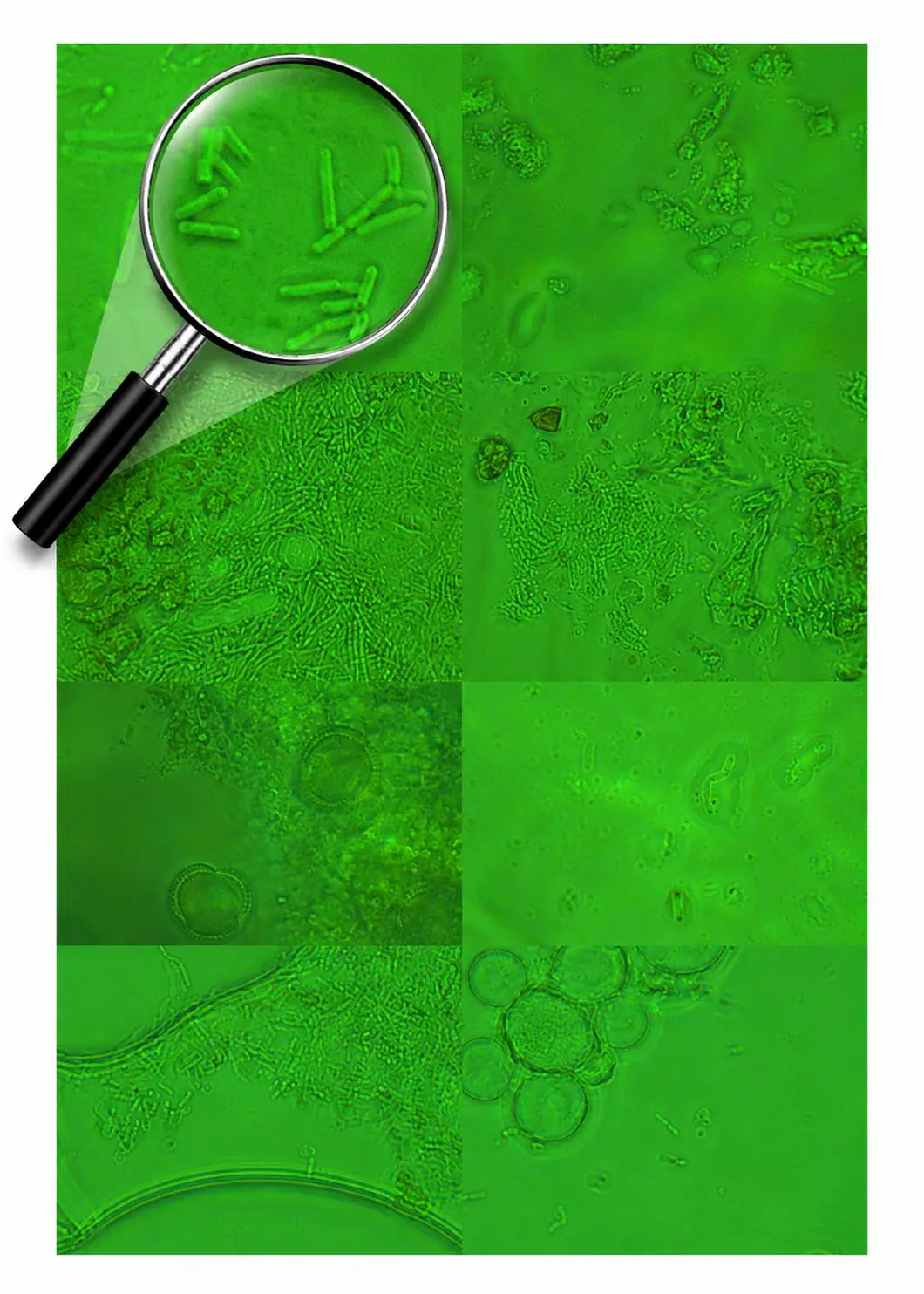
Source: the developer's (Wooyoung Nam's) research. Microscope image: company material.
PARTNERSHIP · INVESTMENT
After signing an NDA you can review the materials, then verify the original records and the process in person during on-site due diligence in Uljin, Gyeongsangbuk-do, Korea.