01
It changes medicine
Extends treatment from an event inside hospitals to a daily recovery routine.

07 / VISION · ECORIUM
From hospital-centered medicine to life-centered bio-healthcare; from a society that lives long to one that lives long and well. Eight ways GRBM changes life.
In plain words
For a long time we treated health as a matter inside hospitals. We went to hospital when sick, took pills when numbers worsened, had surgery when illness deepened. Health care always began after something went wrong.
When GRBM enters daily life, health care becomes design in advance, not response after the fact. An app reads the day's sleep, blood sugar, gut microbiome and stress; AI recommends the right GRBM combination; GRBM arrives by frozen cold chain; and you check the change in your body again with data.
This is not a health-food subscription but a personalized metabolic-care service — an era in which health is managed not by the number of hospital visits but by daily meals, sleep, gut environment and cellular recovery.
Extends treatment from an event inside hospitals to a daily recovery routine.
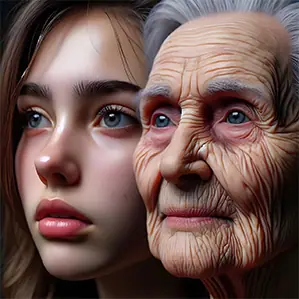
The elderly become not objects of care but people who know their data and live independently for longer.
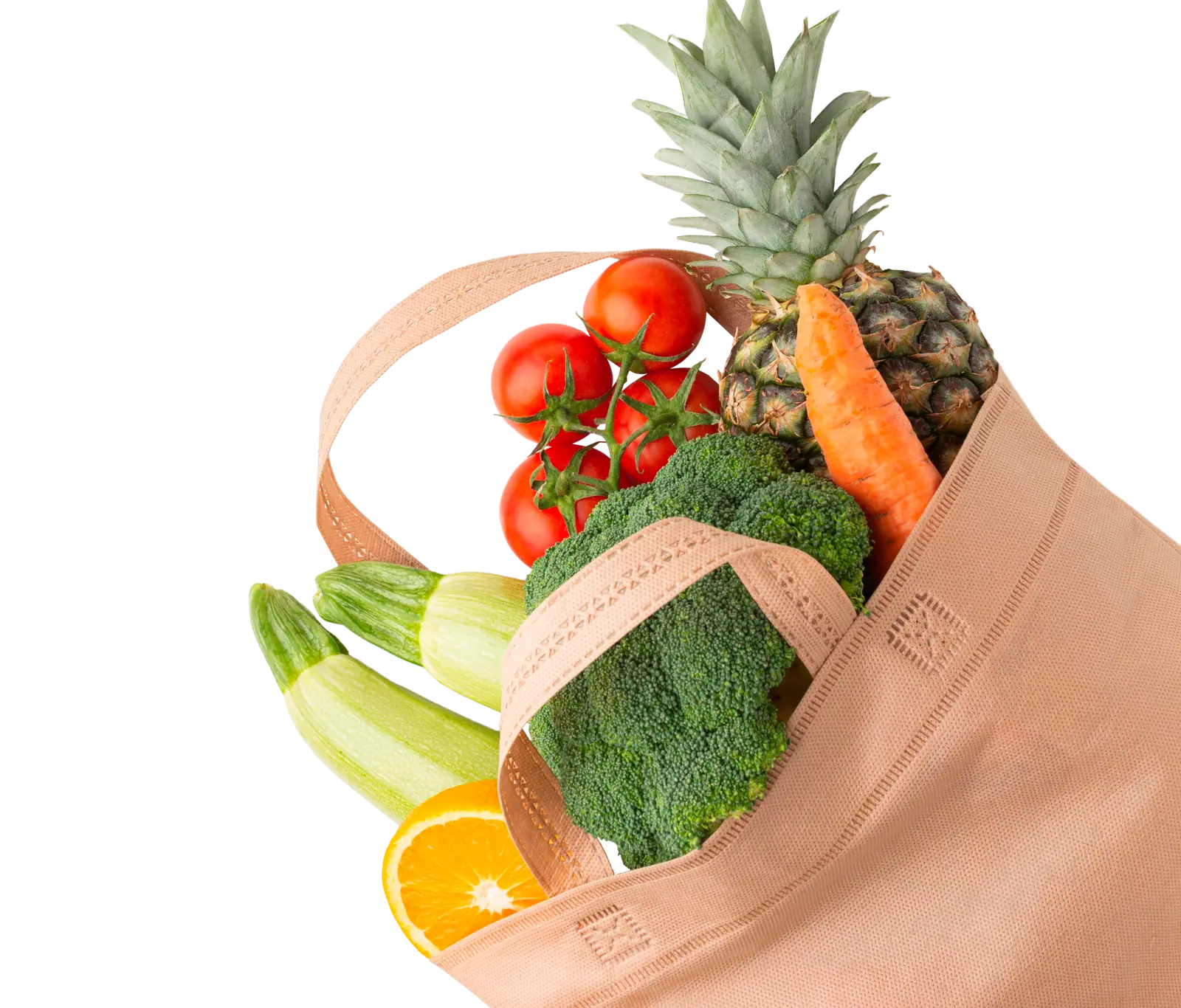
K-Food evolves into K-Bio Food — from tasty food to food that changes the gut ecosystem.
Unripe plants, leaves, stems and native plants all become bio-food resources.
Data that only measured now connects to real metabolome intake and feedback.
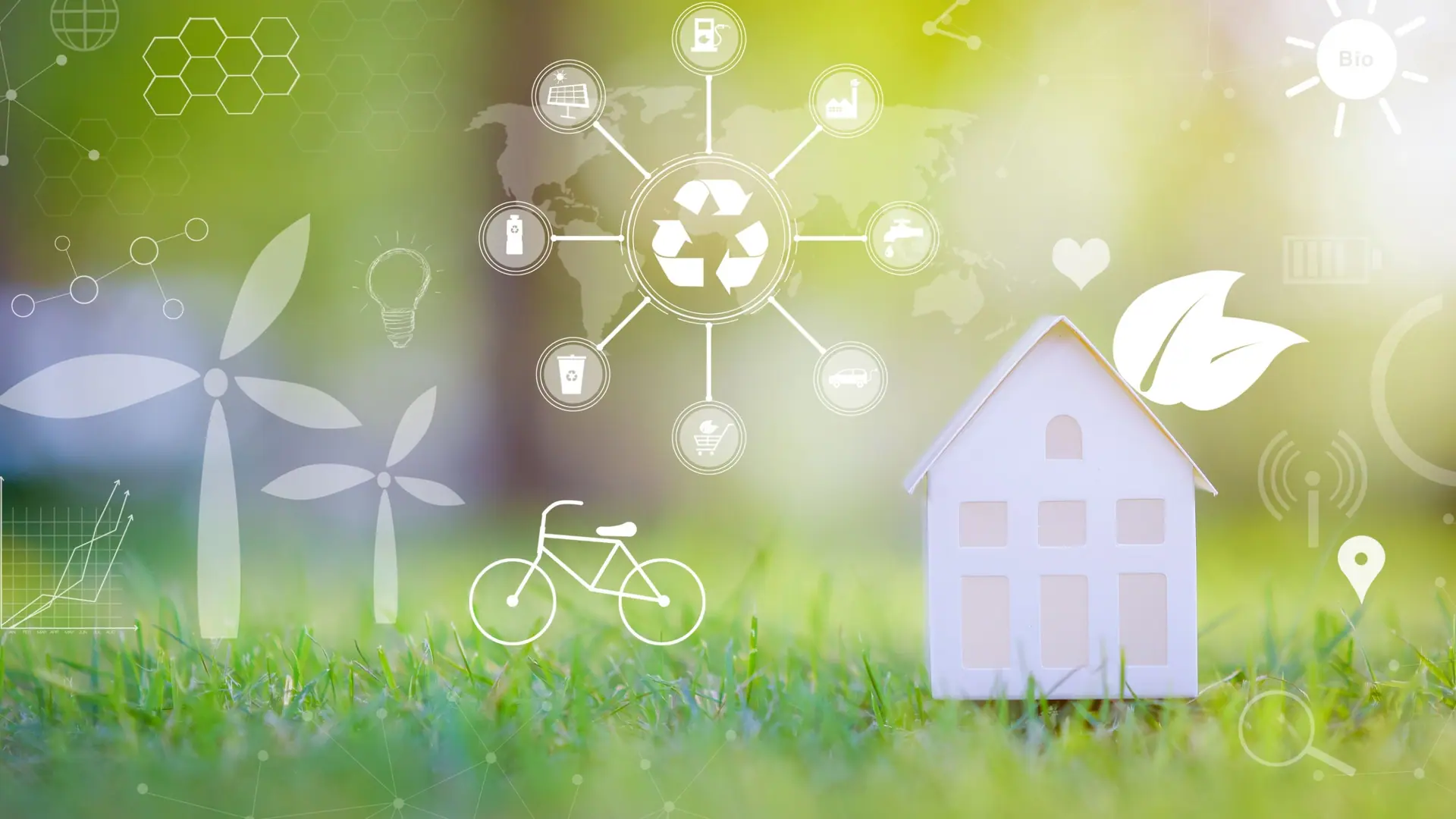
From chemistry-centered manufacturing to plant–microbe–metabolome manufacturing.
Designing ecosystems where plants and people circulate together, even in closed spaces.
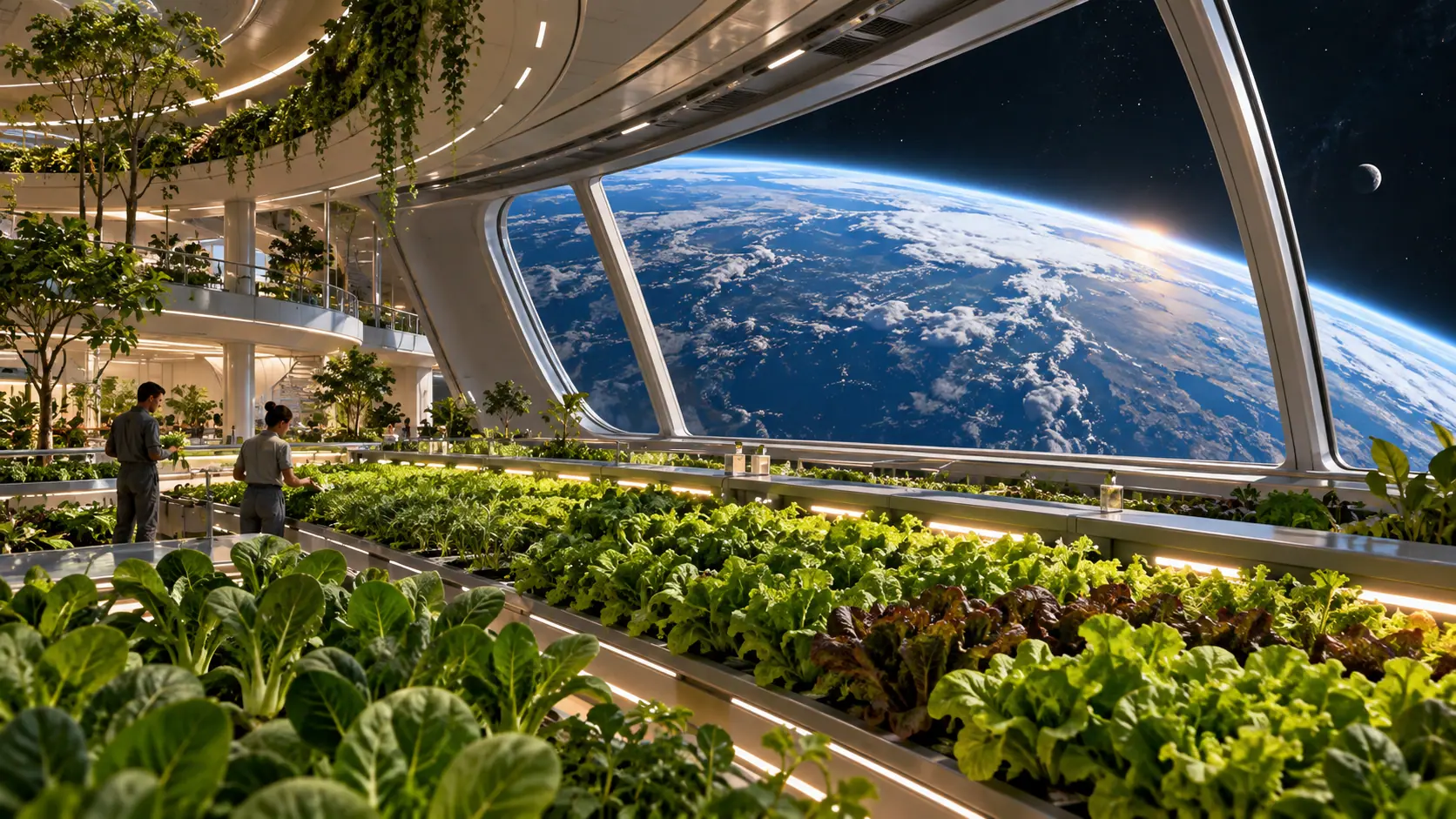
Metabolome food with low digestive load and high absorption protects health in space.
HOSPITAL TO DAILY LIFE
The future of medicine GRBM proposes does not do away with hospitals. It makes the hospital's role more precise and everyday health care stronger. Smartwatches show heart rate and sleep, glucose monitors show blood-sugar changes, and microbiome tests show the make-up of gut microbes. But however much data there is, without a substance that actually changes the metabolic environment inside the body, healthcare in the end stays at measuring.
The customer of the future checks sleep, blood sugar, gut microbiome and stress indicators in an app. AI analyses the day's condition and recommends a combination of GRBM MFS, MFB, MFK and PANAX GRBM; the products arrive by frozen cold chain; and the customer checks again, with data, how the body is changing. Diagnosis and prescription, intake and feedback join into one structure.
HEALTHY LONGEVITY
Ageing in Japan, Korea and Europe puts a heavy burden on national welfare budgets. The heart of the problem is not living long but being ill for long. If healthy life expectancy rises toward life expectancy, the social costs of elderly medicine, nursing and care can fall. PANAX GRBM links to whole-body cellular recovery, GRBM MPM to metabolized protein, and GRBM MFS to AI-personalized nutrition.
In a society where GRBM is part of daily life, older people know their health data, eat metabolome food that suits them, and look after gut microbes and muscle, sleep and cognitive health. A care home can become not the last stop but a bio-care space that designs recovery and living together. Elderly medical costs, nursing, long-term care, insurance, premium silver care and digital healthcare all join into a vast structural market.

Plants, microbes and human cells connecting once more — GRBM is an attempt to industrialize that connection.
Ageing is unavoidable for every developed country. But the real question is not "how long" we live but "how healthily." If healthy life expectancy rises toward life expectancy, the social costs of elderly medicine, nursing and care fall. PANAX GRBM links to whole-body cellular recovery, GRBM MPM to metabolized protein, and GRBM MFS to AI-personalized nutrition. In a society where GRBM is part of daily life, older people know their health data, eat metabolome food that suits them, and manage gut microbes, muscle and sleep together.
Korean office workers face metabolic-syndrome risk amid overwork, irregular meals, late-night eating and lack of sleep, while teenagers and young adults face early metabolic disease amid fast food and delivery meals. GRBM MFK redesigns kimchi as a salt-free, low-salt, plant-LAB bio-food that can be eaten like a morning salad and extended to infant, elderly, patient and fitness diets. From traditional food to metabolism-based medi-food the world eats every day.
On long space missions, lunar or Martian bases, or in dome cities cut off by a worsening climate, food, air, waste and health must be solved within one circular system. Plants grown in a dome city become GRBM through VPMI, are used as food, medicine and cosmetics, and the by-products feed soil microbes again. GRBM is absorbed efficiently in the small intestine with minimal defecation, supports emotional stability centred on serotonin and GABA and a stable gut ecosystem, and can be stored frozen long-term — suited to life in space. This technology will be needed even before space, in hospitals, care facilities, military bases, ships and disaster-shelter cities.
As heavy rain, drought and typhoons grow more frequent, crops can be thrown away before their fruit ripens. Conventional agriculture, built around mature crops, has limits in turning unripe plants, leaves, stems and young fruit into high-value food. VPMI can turn young fruit, leaves and stems into nutrient-rich bio-food, and GRBM MFK uses plants that can be grown locally. Farmers no longer need to give up the harvest before a typhoon arrives. The agriculture GRBM creates is not "agriculture that extracts more" but agriculture that turns discarded living resources back into food and health resources.
Carbon neutrality is not achieved only by calculating and offsetting emissions; the industrial structure itself must change. In a future where GRBM has spread, plants become food, drinks, protein, cosmetics and bio-materials. The more plants there are, the more carbon sinks grow, biodiversity revives, and an industrial alternative to chemistry-based manufacturing emerges. Not a line in an ESG report, but changing the materials of industry.
Technology for living in sealed spaces will be needed before space in hospitals, care facilities, military bases, ships, disaster-shelter cities and desert smart cities. Limited food and waste handling, muscle loss, weakened immunity and gut-microbiome imbalance are also core challenges of life in space. GRBM aims at nutrition absorbed efficiently in the small intestine without digestive burden, and GRBM MPM, MFK and VPMI-CM can become survival infrastructure for long-term life in space and closed ecosystems.
GRBM is a product and a service, data and a raw-material platform, and the starting point of future bio-materials. It targets nine fields as areas to solve: medicine and public health, metabolic syndrome and chronic disease, climate and environment, society and economy, science and industry, the future and space, food and agriculture, international affairs and policy, and K-culture. When GRBM enters daily life, people can work healthily for longer, children grow up in a more stable gut environment, older people live independently for longer, and patients can design their recovery with greater dignity. At its centre is the philosophy that people are not beings who live by suppressing disease, but beings with the right to access a healthy metabolic environment.
What GRBM changes is not one product market but the way humanity sees health. Health is not the absence of disease, but a state in which plants, microbes and human cells live connected again.
The Complete Edition proposal, "How GRBM Changes Human Life"
Visions and scenarios are the future the developer proposes; each service will be realized through staged verification and regulatory requirements. Source: Complete Edition proposal 13, "How GRBM Changes Human Life".
PARTNERSHIP · INVESTMENT
After signing an NDA you can review the materials, then verify the original records and the process in person during on-site due diligence in Uljin, Gyeongsangbuk-do, Korea.