
01
Plant RNA × LAB: a genetic dialogue
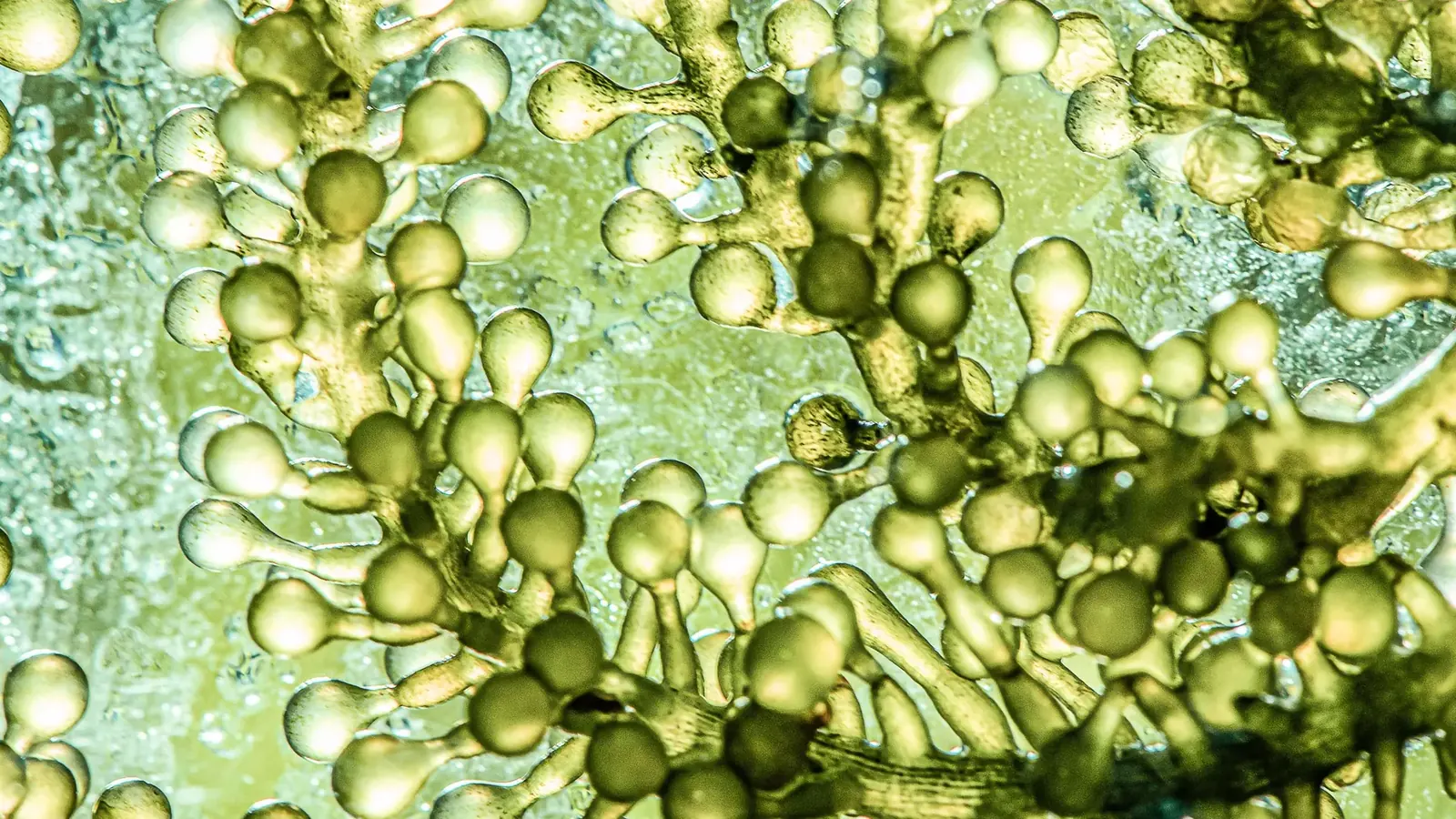
Plant cells release RNA that the plant's own lactic acid bacteria take up; the resulting microbial metabolome in turn supports the plant's immunity, growth and reproduction.

02 / HOLOBIONT THEORY
A question that began with the Kyoto Protocol in 2005. A human is a holobiont living with microbes, and the Earth, humanity and ecosystems share one destiny.
In plain words
In 2005, through a family member working at UNESCAP, I encountered the Kyoto Protocol on climate action. I saw then that the climate crisis was not only an environmental problem but a problem of broken connections of life between plants, microbes and people.
From then on I focused on plant cells and human cells, whose gene structures resemble each other, and on the mutualistic microbes that connect them. Papers and researchers of the Genome Project and the post-genome era, and conversations with leading scholars at climate-change forums, made this research solid.
My conclusion was simple: a human is a holobiont that lives with microbes, and the Earth, humanity and ecosystems share one destiny. GRBM is the platform that turns this connection into an industrial method.

Plant cells release RNA that the plant's own lactic acid bacteria take up; the resulting microbial metabolome in turn supports the plant's immunity, growth and reproduction.
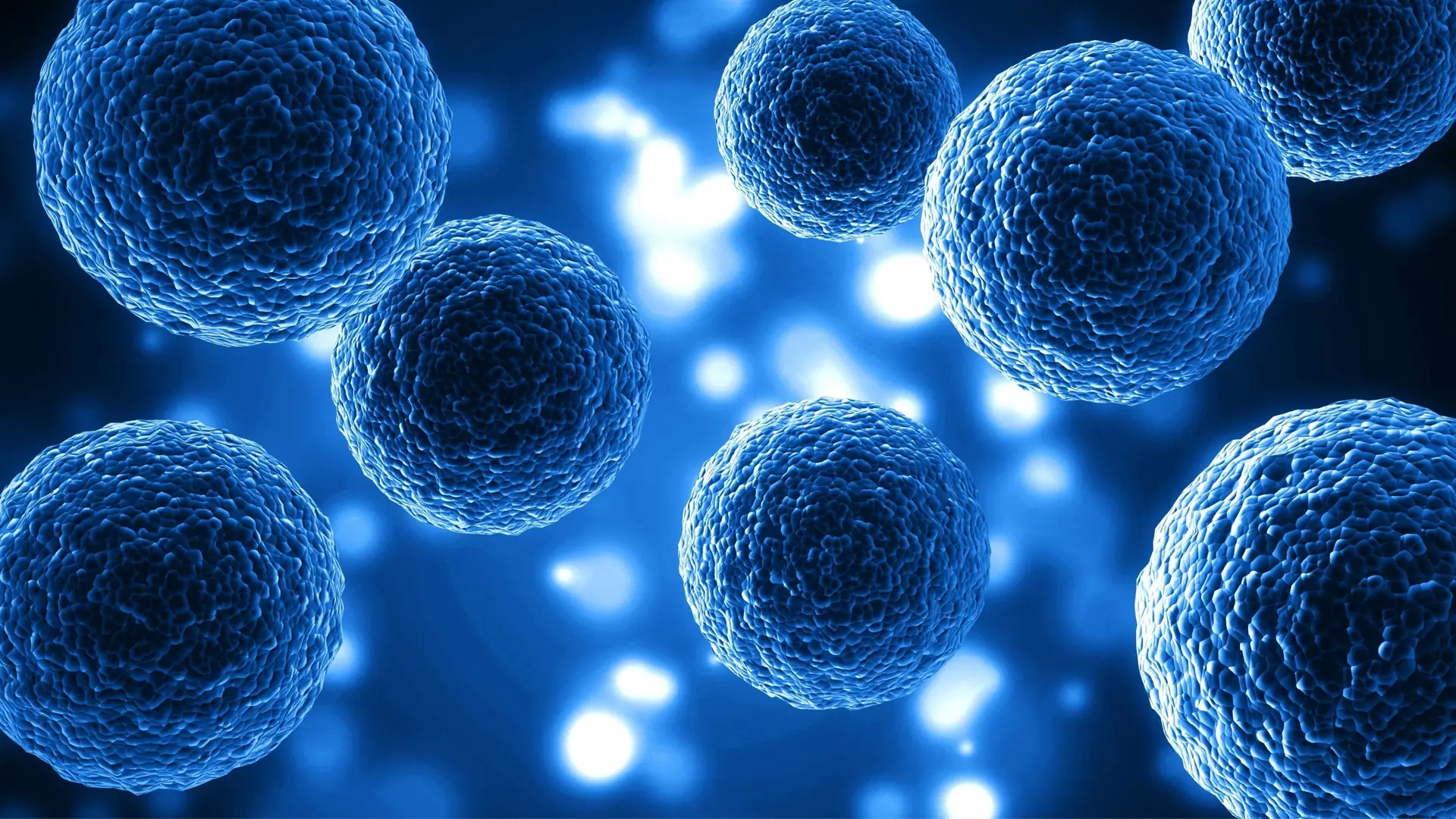
Already-metabolized nutrition gives the body metabolic rest; cells use that opportunity to activate recovery and immune re-education through intron expression.
One framework uniting parental inheritance (VGT), exchange with gut microbes (HGT), and nutrition the fetus can use directly.

That same year, the GRBM I gave my mother — at the edge of life because of cellular aging — became my first clinical success.
I saw the human body as an integrated signaling network. Disease can arise from abnormalities in that network, which includes not only classical nervous signaling but also remote signaling and signaling through genetic material. Within the genetic signaling system, the key element I identified was miRNA.
Chemical drugs carry the risk of isomers formed during manufacturing that impair native biological function, so purely molecular approaches always risk other side effects. My method removes the manufacturing steps that create isomers, treats the body as one integrated organism (HOLOBIONT), supplements information that cells lack or carry incorrectly, and supplies appropriate bio-materials to induce ecological self-improvement. I call this "the domain of eco-bio science."
Plant cells release regulatory RNAs such as mRNA and small RNA outside the cell or in extracellular vesicles. I proposed that when the plant's Lactobacillus is exposed to the information in these RNAs, single-base adaptations can be selected and fixed at several distant sites (about three in the representative model). The microbial metabolome formed this way contributes to the plant's immunity, growth, stress resistance and reproduction. This view led to GRBM's "plant – plant LAB – human" design.
Modern base editing (2016) and prime editing (2019) show that function can change through base-level edits without large DNA replacement. My hypothesis is nature's version: instead of a guide RNA, the plant–microbe environment and selection pressure choose the outcome.
GRBM provides metabolic rest to the human body. Through metabolic rest, cells undergo metabolic realignment; when cells are given long periods of realignment, the body's mechanisms of health recovery and immune-cell re-education operate through the expression of introns.
The developer's original statement
I designated External miRNA as the key element of this hypothesis, and set a benchmark for judging the technology and the company: can a patient with an intractable disease that modern medicine struggles to treat gain a new, healthy life within 12 weeks?
| Concept | Meaning | Developer's view |
|---|---|---|
| VGT (vertical inheritance) | Inheritance from parents to children | The ordinary pregnancy pathway, where hormonal markers matter |
| HGT (horizontal inheritance) | Genetic information exchanged with co-living organisms | Exchange between introns and jejunal microbes influences the possibility of pregnancy |
| Metabolic nutrition | Nutrition cells can use immediately | Metabolome-form nutrition delivered directly to a fetus whose digestive organs are not yet developed |
Older mothers in particular find it hard to make, store and convert nutrition through hormones and enzymes, so I hypothesized that already-metabolized nutrition is needed. I applied this theory to women with infertility and observed pregnancy in all five of five attempts.
Source: the developer's (Wooyoung Nam's) research. The origin hypotheses will be published one by one through disease-specific clinical papers and independent verification.
PARTNERSHIP · INVESTMENT
After signing an NDA you can review the materials, then verify the original records and the process in person during on-site due diligence in Uljin, Gyeongsangbuk-do, Korea.