01
Aging
The problem is not living long but being sick for long. Late treatment alone cannot carry the social cost.
01 / SOCIAL PROBLEMS
The problem today is not living long but being ill for long. Seeing disease, food and environment as one living system — that is where GRBM begins.
In plain words
Cancer is not incurable because we lack doctors. Dementia is not rising because research budgets are small. The planet is not warming because warnings were too few. We already know enough.
Yet we have failed to change things for one reason: our tools never reached the root of the problem. Modern medicine suppresses symptoms instead of repairing cells, modern agriculture raises yields instead of reviving nature, and modern industry trades emission rights instead of restoring the Earth.
Plants, microbes and the human body have lived together for billions of years, exchanging genetic information. I believe the breakdown of that conversation is the root of the illnesses of modern civilization. So I created a material that reconnects it — GRBM.
The problem is not living long but being sick for long. Late treatment alone cannot carry the social cost.

Diabetes, hypertension and obesity now reach office workers and teenagers. Drugs push numbers down but do not revive metabolism.

Medicine that treats gut, immunity, metabolism and brain separately has hit its limit. When the gut ecosystem collapses, the whole body wavers.
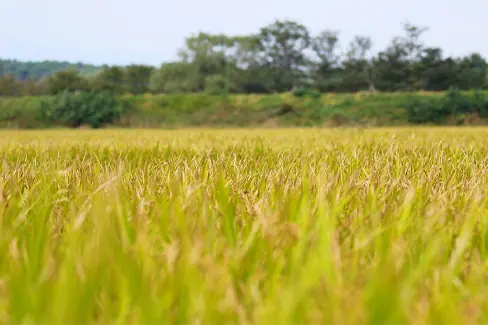
Floods, droughts and typhoons destroy crops before they ripen. Plant functionality and supply stability are shaken together.

The nutritional environment for pregnancy, birth and growth needs far deeper research. When the beginning of life wavers, the future wavers.
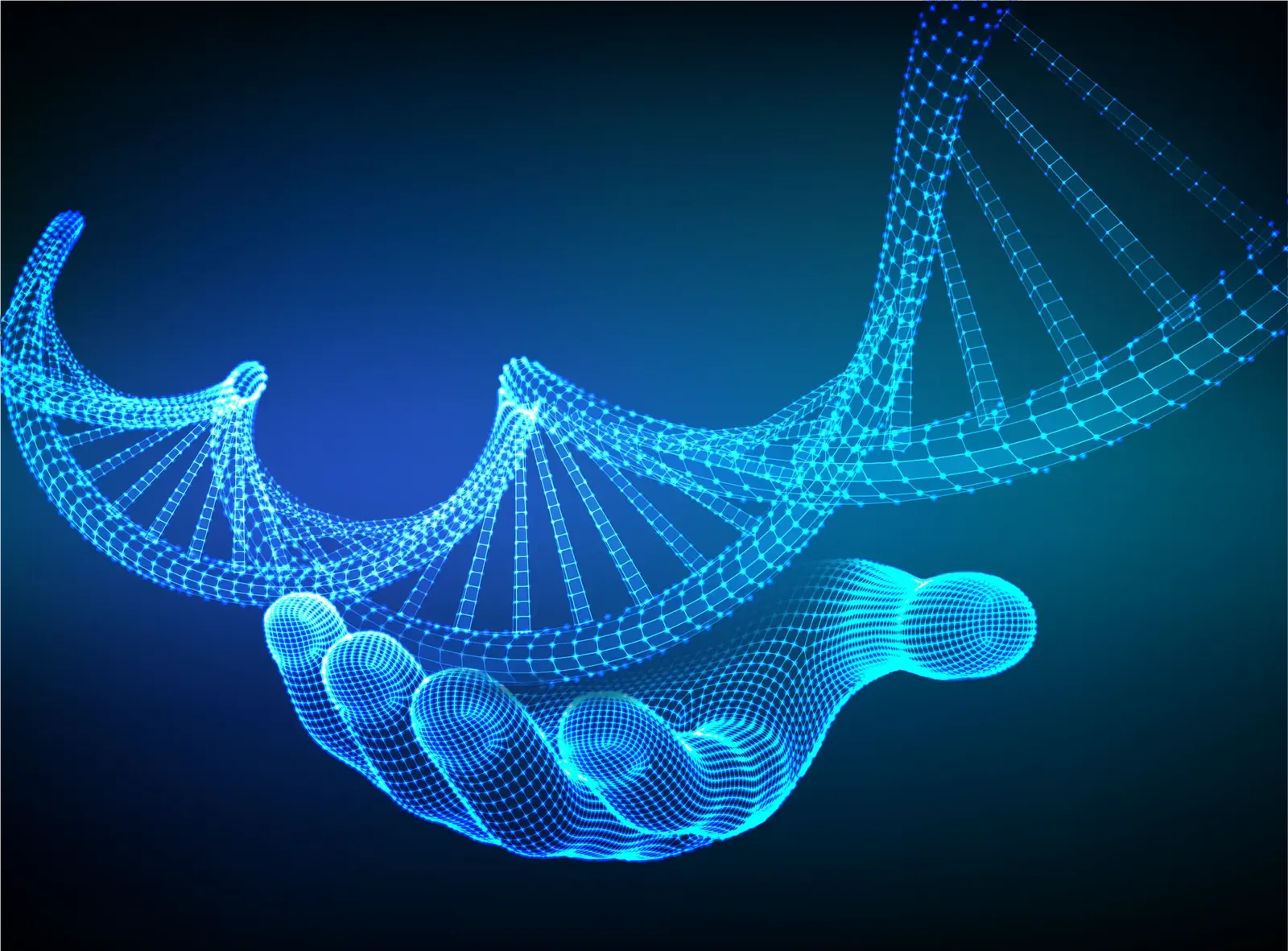
AI reads and predicts the body, but without a material that actually changes it, healthcare stays stuck at "measurement."
I call this "Metabolic Rights." GRBM aims to turn food into society's "metabolic infrastructure," beyond nutrition, so that everyone can access a healthy metabolic environment.
Metabolic rights are the basic right of anyone to maintain a healthy metabolic environment. For humanity to truly prosper, we must go beyond the limits of reductionism, which sees the body only in parts, and accept the complex ecosystem of the body as it is. I firmly believe metabolic rights are a new human standard that nations and societies — not just the bio industry — must build together.
Just as constitutions protect citizens' health, future societies must also protect the right to access a healthy metabolic environment. GRBM is not merely a product; it is a platform that builds the social foundation for that access.
| Item | Content |
|---|---|
| Why it is needed | Aging, metabolic imbalance, processed-food diets, a deteriorating gut ecosystem, rising demand for care food |
| Our solution | Plant resources → Vital Probiotics → VPMI-CM → Green Red BIO Metabolome → wider access to a healthy metabolic environment |
| Social impact | Families with infants, elderly patients, everyday health-conscious consumers, hospital care food, wellness channels |
| Four criteria | Accessibility (anyone) · Scalability (medi-food, beverages, protein) · Sustainability (plant-based, low-pollution manufacturing) · Verifiability (accumulable data) |
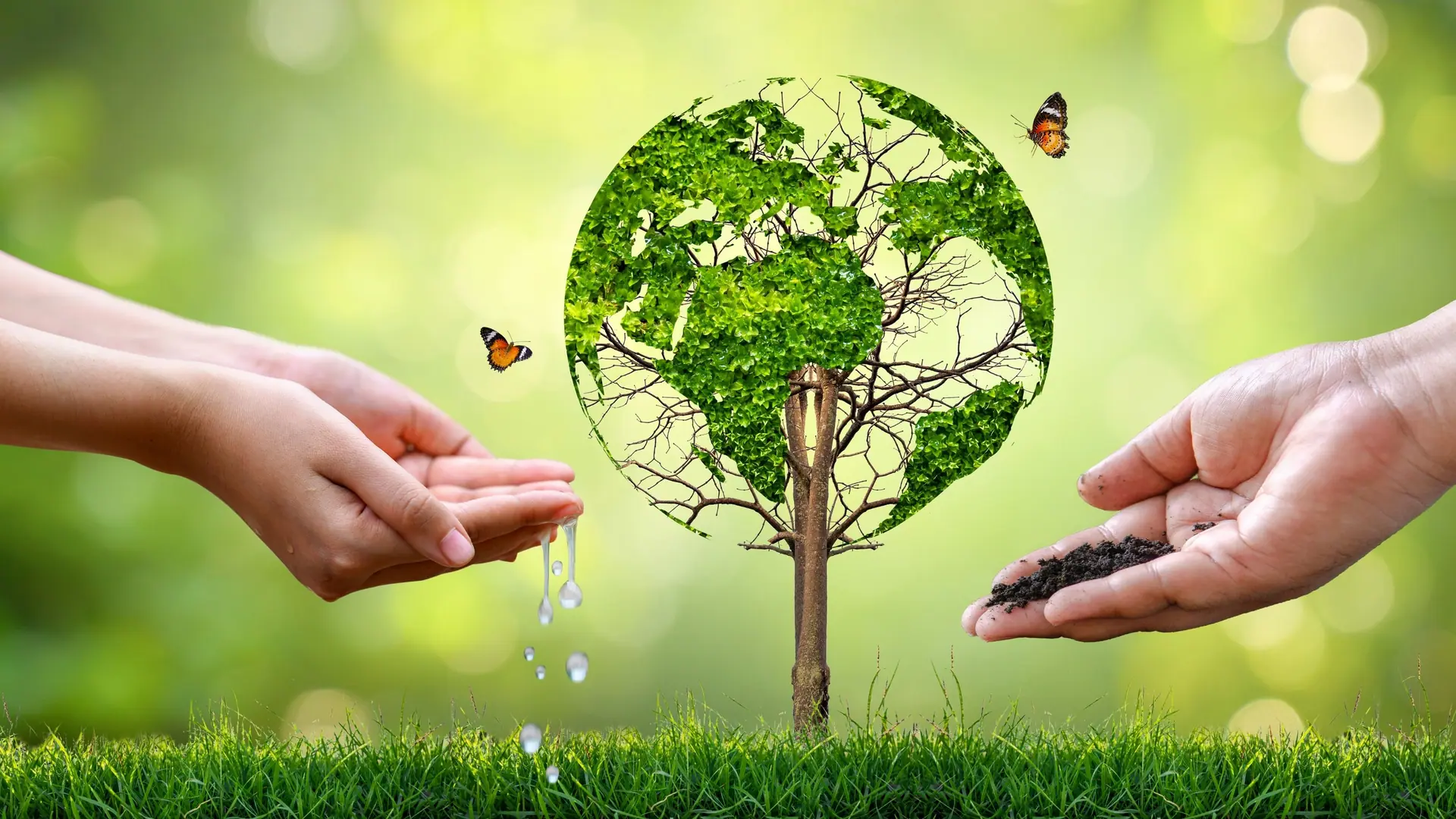
The Earth, humanity and natural ecosystems share one destiny. A changing climate changes plants; changing plants change microbes; changing microbes change human immunity and metabolism. Human health, in turn, flows into medical costs, productivity and industry. Because climate, plants, microbes, metabolites, people and society form a single loop, the solution must come from a single loop too.
Statistics: Statistics Korea 2024 life tables, World Health Organization (WHO). Interpretation and solution: source — the developer's (Wooyoung Nam's) research.
PARTNERSHIP · INVESTMENT
After signing an NDA you can review the materials, then verify the original records and the process in person during on-site due diligence in Uljin, Gyeongsangbuk-do, Korea.